Garden Clearance in Heston

Garden clearance in Heston is a practical way to deal with overgrown borders, piled-up cuttings and outdoor rubbish when a garden needs to be brought back into usable condition. Our work focuses on removing the material that is cluttering the space, separating what can be taken away from what should stay, and leaving the area ready for the next stage of maintenance or improvement. That may mean a one-off clearance after a season of growth, a tidy-up before landscaping, or a more thorough clear-out of mixed green waste and garden debris.
We handle a range of outdoor clearance tasks with a straightforward, workmanlike approach. That includes branches, hedge trimmings, soil spoil, old compost sacks, broken plant supports, dismantled garden furniture and other non-hazardous items found outdoors. Where access is awkward or the garden has been allowed to become heavily overgrown, the job may need a more careful sequence of removal, starting with lighter loose material and working through heavier items once the space is easier to move around in.
If you are comparing options for a garden clearance, it helps to think in terms of what needs to go, what should be retained, and whether the final result needs to be simply clear or also sorted for recycling. A clear brief makes the quote easier to prepare, but it does not need to be complicated. For a more accurate quotation, send the basic details of the garden size, access and main waste types when you are ready.
What a garden clearance service can cover
Garden clearance is broader than simple green waste removal. It can involve lifting bags of cuttings, cutting back and removing dead planting, clearing loose rubbish from beds and borders, and taking away old items that have ended up outside over time. Many gardens contain a mix of living growth and discarded materials, so the work often needs to be organised rather than treated as a single sweep-up. Our service is designed to remove the material that is no longer wanted without turning the process into unnecessary upheaval.
Some customers want a garden cleared ahead of repairs or redesign, while others need help with a neglected space that has become hard to manage. In either case, the most useful result is usually a garden that is open, accessible and easier to plan. We can deal with mixed garden waste in a sensible order, making sure heavier pieces, awkward piles and loose organic matter are handled efficiently. Pricing and quotes information is available if you want to think through the likely factors before making an enquiry.
Typical items removed during a garden clearance can include:
- branches, hedge trimmings and prunings
- leaves, weeds, turf and bagged green waste
- old pots, broken planters and plant supports
- general outdoor clutter such as damaged fixtures or unused materials
- light garden furniture or worn items kept in sheds, corners or patios
Managing overgrown spaces and mixed outdoor waste
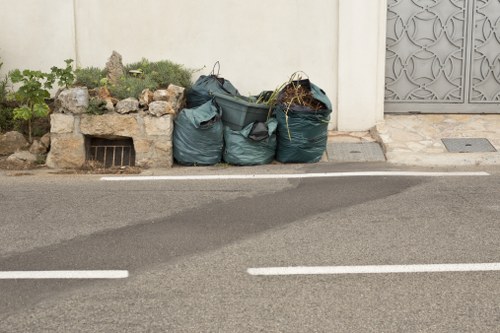
When a garden has been left for a while, the work is often less about a single load and more about restoring order across several parts of the site. Overgrown areas may conceal broken items, hidden bags, old edging, timber offcuts or empty containers that need to be separated from green waste. A careful clear-out starts by identifying the different materials present, so that the removal work is carried out in a way that makes sense for the condition of the garden rather than forcing everything into one category.
Mixed outdoor waste can require different handling because not every item belongs with cuttings and soil. We are set up to remove common non-hazardous garden rubbish along with natural waste, and to keep the process practical where the space is tight or uneven. Where useful, we can remove material in stages, beginning with what blocks access and following with the remaining garden debris once the route is clearer. That approach often helps when a garden has become difficult to walk through or when piles have built up near fences, sheds or paths.
For larger or more awkward clearances, it is sensible to think about the route from garden to vehicle, the weight of the waste and any items that may need dismantling before removal. Garden clearance can be arranged as a one-off job or as part of a broader tidy-up, depending on how much material has collected and how quickly the area needs to be brought back under control.
Garden waste, recycling and sensible disposal
Not everything taken from a garden is the same, and it helps to separate true green waste from general outdoor rubbish where possible. Fresh cuttings, hedge trimmings, leaves and similar organic material are different from broken plastic planters, rusted fixtures or damaged timber, even if they have all been left outside for some time. A good clearance service treats those materials carefully so they can be moved on in an organised way rather than bundled together without thought. That is especially useful when the garden contains a mixture of household overflow and natural debris.
We also recognise that some customers want the job handled with attention to reuse and disposal choices. Where suitable, waste can be sorted so recoverable material is kept apart from ordinary disposal streams. Recycling and sustainability provides more detail on how disposal choices may be approached on this site, while the clearance itself remains focused on removing unwanted material cleanly and efficiently. The aim is to leave you with a garden that is easier to look after without adding avoidable complications.
Useful decisions often come down to what should be removed now and what can stay for later work. If the garden is due to be landscaped, reseeded or replanted, it may make sense to remove only the waste that obstructs those plans and leave structural features in place. If the area is being stripped back more thoroughly, a fuller clearance may be the better option. Choose the scope that matches the next stage of the garden, not just the amount of material currently visible.
Clearance before landscaping, repairs or seasonal maintenance
Many garden clearance jobs are tied to another project. A space might need to be opened up before new beds are created, old fencing is repaired, or a patio edge is reset. In those cases the clearance is not the end goal in itself; it is the step that makes the next piece of work possible. Taking away the clutter first can help a gardener, landscaper or homeowner assess the space properly and move ahead without working around piles of waste.
Seasonal maintenance can also create a need for a more involved garden clearance. After heavy growth, storms or prolonged neglect, there may be enough cut material and debris to justify a fuller removal rather than repeated small tidy-ups. That can apply to both decorative gardens and practical spaces such as side passages, back yards and narrow strips of planting. If you have already gathered some material into piles, that can make the job easier to scope, but it is not essential for requesting a quotation. Contact us when you are ready to discuss the amount and type of waste involved.
For projects that are likely to move on to further works, a sensible order is often: clear the obvious waste, assess the remaining fixed features, then decide whether any additional items need removal. This keeps the process manageable and avoids taking away things that may still be useful or needed for the next stage. A measured approach is especially helpful where the garden contains sleepers, edging, pots, timber pieces or old structures that require a decision rather than automatic disposal.
How quotes for garden clearance are usually assessed

Garden clearance quotations are usually shaped by the amount of material, the type of waste, the ease of access and the time likely to be needed on site. A small pile of cuttings is very different from a garden full of mixed debris, and a clear path to the waste is very different from a narrow or obstructed route. Because of that, a quote should reflect the practical job rather than rely on a generic description. The more clearly the scope is understood, the more accurately the work can be priced.
When preparing an enquiry, it is useful to note whether the waste is mainly green material, mixed garden clutter or a combination of both. You can also mention if there are items that need dismantling, if the area is overgrown, or if access is via side passage, rear gate or shared route. Photos can help where the garden is difficult to describe, but a brief written summary is equally useful. About us explains more about the business pages available on this site if you want to look around further before asking for a quote.
Because every outdoor space is different, a well-prepared quotation is usually less about filling in a template and more about identifying the real work involved. If you know which parts of the garden are staying, which materials are coming out and whether the clearance has a deadline, those details help us understand the job properly. That usually leads to a clearer conversation and a more practical plan for the removal itself.
Garden clearance alongside related household removal work
Some customers need outdoor clearance together with other domestic removal work, especially when items have built up in garages, lofts or inside the home and then spilled into outside storage areas. In those situations it can be helpful to treat the clearance as part of a broader reset rather than as a single isolated task. The benefit is mostly organisational: once the unwanted material is grouped by location and type, it becomes easier to remove in a way that suits the property and the schedule.
We also provide related removal services that may be useful when the garden is only one part of the job. Garage clearance can help if tools, broken equipment or stored household items have overflowed into the outdoor space, while home clearance may be more appropriate if the project includes both interior and exterior areas. If the garden clearance is tied to the removal of larger domestic items, it is worth thinking about the whole route through the property so the job can be handled in a logical order.
Where outdoor clutter has been sitting for a long time, it may include things that no longer have a clear home: fragments of furniture, old storage boxes, unused pots, broken fittings or surplus materials from previous jobs. A proper clearance deals with those items individually, rather than assuming they all belong in the same pile. That is especially important where garden access is shared, where there are delicate planting areas to protect, or where the final aim is to leave the space tidy enough for further use straight away.
About Heston

Heston is a district in the London Borough of Hounslow, set in west London between the larger centres of Southall, Hounslow and Cranford. Its history reflects the long evolution of west London from village land and farmland into a built-up suburban area shaped by roads, industry and housing. The area is crossed by major transport routes, including the A4 Great West Road nearby, which has long influenced movement and development across this part of the capital. Heston’s older core includes St Leonard’s Church, a historic parish church whose presence reflects the settlement’s earlier village character before later expansion changed the surrounding landscape. The district also contains a variety of residential streets and local facilities that show its layered growth over time, from earlier housing patterns to later twentieth-century development. In and around Heston, open space remains part of the local fabric, with parks and recreation grounds giving the area a balance between built-up streets and greenery. The nearby landscapes of the wider borough, together with east-west travel corridors and the proximity of Heathrow-related activity, place Heston within a busy and changing corner of west London. Even so, traces of its older identity remain visible in church architecture, street patterns and the way the district sits alongside more commercial and densely developed neighbouring places.
When people think of Heston as a locality, it is often as part of a larger west London pattern rather than as a stand-alone historic town. That makes its character a mix of suburban everyday life, transport links and older parish origins. Its churches, roads and local parks each contribute a different part of the picture, and together they show how the area has moved from rural settlement to urban district without losing every sign of its past.
Removing heavy, awkward or bulky garden items
Garden clearances are not always limited to light organic waste. Outdoor spaces often contain bulky items that are awkward to move, such as broken benches, tired storage boxes, sections of fencing, old sleepers, plant containers and dismantled timber pieces. These items can slow a job down if they are not handled in the right order, particularly where there is limited space to turn or carry them out. A practical clearance service takes account of weight, shape and access so the work remains controlled rather than rushed.
Where necessary, heavier pieces can be broken down into manageable sections before being removed. That is often a sensible approach if items have been outside for a long time or have started to deteriorate. It may also be useful where a garden contains a mix of waste from different projects, because the material can be separated as it is lifted rather than forcing every item through the same route at once. Furniture clearance can be relevant if your garden currently stores worn chairs, tables or other domestic items that are no longer needed.
It is usually best to decide in advance whether an item is staying because it has a planned use, or whether it is simply occupying space. That distinction matters when a garden is being made ready for future work. Even a relatively small number of bulky objects can make a space feel cluttered, block access to borders and complicate maintenance, so removing them thoughtfully can have a noticeable effect on how the garden functions day to day.
Practical preparation and a clear way to request a quotation

Before a garden clearance, it helps to give a simple picture of the work that needs doing. Mention the main items to be removed, whether the garden is overgrown, and whether access involves a side passage, rear gate or indoor route. If there are any fixed features that must be left in place, say so at the outset. This kind of information keeps the job focused and helps avoid unnecessary removal of items that are meant to remain part of the garden.
For larger clearances, a short list is often enough to start the conversation. Include the broad type of waste, any awkward materials, and whether the job is linked to landscaping, repairs or seasonal tidying. Be specific about what must go and what should stay, because that distinction is often the most useful thing a quotation can be based on. If you have a preferred timeframe, note that too, so the scope and timing can be considered together without adding confusion.
When you are ready to take the next step, ask for a quotation in plain terms and describe the garden as it stands now. A clear request does not need to be long; it just needs the essentials. If you want to move forward with garden clearance in Heston, get in touch and send the basic details so the work can be reviewed properly and the next stage can be planned with confidence.
Choosing the right level of clearance for your garden
Not every garden needs the same kind of attention. Some only need a light removal of cuttings and loose clutter, while others need a fuller reset because the area has been neglected or used as temporary storage. The right choice depends on how the space is being used now and what you want it to become next. A selective clearance keeps useful items in place, while a broader clearance aims to remove everything that is no longer serving the garden.
That choice can also affect how the garden will be maintained afterwards. If the area is being handed back to regular use, it may be enough to clear paths, borders and obvious dumping points. If major changes are planned, a deeper clearance can create a cleaner starting point. Either way, the work should be guided by the garden’s actual condition rather than by a one-size-fits-all assumption. Waste removal is available if you want to see the wider service range alongside garden-specific work.
We try to keep the process sensible and practical from the first description through to the final load. That means looking at the site as a whole, considering what type of waste is present and deciding how the removal should be organised. For many customers, the most useful outcome is not just that the waste disappears, but that the garden becomes easier to walk through, easier to maintain and easier to plan for whatever comes next.