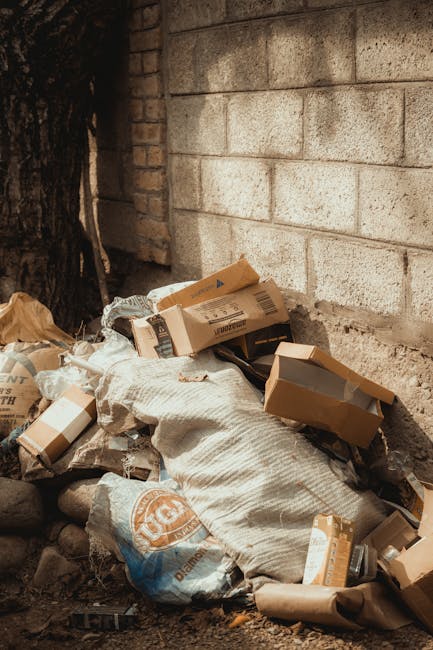
Rubbish Removal Services on Heston High Street: A Practical Guide for Homes, Flats, Shops and Small Businesses
If you have ever stood on Heston High Street looking at a pile of old furniture, broken bags, builder's offcuts, or garden waste and thought, "Right, that has to go today," you are not alone. Rubbish removal services on Heston High Street are there for exactly that sort of moment: when waste is too bulky, too awkward, or simply too much to handle with normal bins and a couple of recycling trips.
This guide explains how rubbish removal works, who it helps, what to watch out for, and how to choose a service that keeps things tidy, legal, and as stress-free as possible. It is written for real situations, not idealised ones. Because, let's face it, clutter rarely arrives in neat little boxes.
Why Rubbish Removal Services on Heston High Street Matters
Heston High Street has a mix of everyday life that makes rubbish removal more important than people often realise. There are homes with limited storage, flats where stairwells are narrow, small businesses that cannot afford a messy frontage, and properties where waste builds up after a move, a renovation, or a long-overdue clear-out. In a busy street setting, rubbish can become more than an inconvenience. It can block access, attract unwanted attention, and make a property feel neglected.
Good rubbish removal is not just about "getting rid of stuff". It is about restoring usable space, improving safety, and preventing a simple clutter problem from turning into a bigger one. A backed-up hallway, a garage full of old timber, or a shop rear yard with packaging and broken fittings can slow down your day in ways you only notice once it is all gone. Funny how that works.
There is also a local practical angle. On a street like Heston High Street, people often need removal carried out quickly, quietly, and with minimum disruption. That matters whether you are a homeowner, landlord, tenant, shopkeeper, tradesperson, or managing a mixed-use property. The best services understand that a clear street-facing area and a clean handover are part of the job, not an afterthought.
If you are looking at a wider property clear-out rather than one-off rubbish, it may also help to explore home clearance or house clearance for more complete support. For business premises, business waste removal may be the more suitable route.
How Rubbish Removal Services on Heston High Street Works
In simple terms, rubbish removal is a collection and clearance service where a team removes unwanted items from your property, loads them safely, and takes them away for sorting, recycling, reuse, or disposal. It can be a single bulky item or a full van load. The process is usually more flexible than hiring a skip, especially where space is tight or access is awkward.
Most services follow a similar pattern:
- Initial enquiry - You describe the rubbish, volume, access, and timing.
- Quote or estimate - The provider gives a price based on what needs removing.
- Collection planning - A time is arranged that suits your property and local access conditions.
- On-site assessment - The team confirms what can be taken, what needs separate handling, and whether any items are restricted.
- Removal and loading - The rubbish is removed from the property and loaded safely.
- Sorting and disposal - Items are typically sorted for recycling, donation, or disposal where appropriate.
A well-run clearance feels straightforward. The team arrives, looks at the load, explains anything that needs clarifying, and gets on with it. You should not feel like you are negotiating every bag, which, to be fair, is what the bad experiences usually feel like.
Different waste types may need different handling. Builders' rubble, old furniture, green waste, electrical items, office paper, and mixed general rubbish do not all move through the same route. For that reason, it is sensible to match the service to the job, for example using builders waste clearance after renovation work, or garden clearance after pruning, digging, or landscaping.
Key Benefits and Practical Advantages
The biggest benefit is obvious: the rubbish disappears. But the real value goes deeper than that.
- Less hassle - You avoid multiple trips to disposal sites, heavy lifting, and the question of what goes where.
- Faster turnaround - Many clearances can be completed in a single visit once arranged properly.
- Better access - Hallways, stairwells, shops fronts, back yards, and garages become usable again.
- Reduced stress - A cluttered space is mentally noisy. A clean one usually feels calmer straight away.
- More suitable for awkward items - Sofas, wardrobes, broken desks, and mixed rubbish are easier when handled by a team used to the weight, shape, and mess of it all.
- Better sorting outcomes - Reputable operators separate material streams where possible, which supports recycling and lower waste impact.
There is also a professional image benefit. For retailers, landlords, tradespeople, and office managers, a neat frontage and clean access point can change how people experience the property. Nobody wants customers stepping around a pile of broken packaging at the entrance. That first impression sticks.
If you want to understand the wider service mix, it may be useful to review waste removal alongside more specific services such as furniture disposal and furniture clearance.
Who This Is For and When It Makes Sense
Rubbish removal on Heston High Street makes sense for a wide range of people, and often sooner than they expect. Here are the most common situations.
- Homeowners clearing lofts, spare rooms, sheds, front gardens, or garages.
- Tenants moving out and needing a fast final tidy-up.
- Landlords and letting agents dealing with post-tenancy waste or left-behind items.
- Shop owners removing packaging, display fixtures, damaged stock, or old fittings.
- Office managers disposing of desks, chairs, archive waste, and outdated equipment.
- Tradespeople finishing a job and needing leftover rubble, timber, or packaging cleared quickly.
- Families handling a bereavement or major life change who need a respectful, organised clearance rather than a rushed one.
Sometimes the decision is obvious. A flooded-out shed full of ruined items, for example, is not a "next weekend" job. Other times, it is less dramatic: a garage that has slowly become a storage cave for broken bikes, paint tins, and old suitcases. You know the one. There's always a box of cables no one can identify.
If the waste is concentrated in a loft, garage, or flat, a more targeted service may be better. See loft clearance, garage clearance, or flat clearance depending on the space involved.
Step-by-Step Guidance
If you want the smoothest possible rubbish removal experience, a little preparation helps more than most people think. You do not need to sort everything perfectly, but a few practical steps make a real difference.
- Walk the space first
Look at what needs removing and separate obvious keep, donate, and remove piles where practical. This avoids mistakes later and speeds things up on the day. - Identify any awkward items
Flag heavy furniture, appliances, sharp materials, damp waste, or anything that might need special handling. Better to say it early than halfway through loading. - Check access
Think about stairs, narrow hallways, parking, rear access, loading bays, or timed restrictions on the High Street. Access details can affect timing and price. - Request a clear quote
Ask what the price covers, whether labour and disposal are included, and how price changes if the load is larger or smaller than expected. - Confirm what cannot be taken
Some items may need separate arrangements. Good providers will explain this clearly rather than leaving you guessing. - Prepare the area
If possible, make the waste easy to reach. You do not need to do the lifting yourself, but clearing a route is helpful. - Be present, if you can
A quick walk-through at arrival helps avoid confusion. It also gives you the chance to point out specific items or concerns. - Check the space after removal
Make sure the agreed items are gone, and that no leftover fragments or packaging have been missed.
That is the basic rhythm. Straightforward, really. A good team will do the heavy work; your job is mostly clarity.
Expert Tips for Better Results
In our experience, the best rubbish removal jobs are not necessarily the smallest. They are the ones where everyone is clear before the van turns up.
- Photograph the load in daylight if you are asking for an estimate. A few clear pictures save time and reduce misunderstandings.
- Separate reusables from true waste. Furniture that can be reused should not be treated the same way as damaged rubbish. It can affect how the job is handled.
- Group similar items together. Cardboard, green waste, furniture, and rubble are easier to assess when they are not all mixed into one mountain.
- Ask about recycling routes. Not every item will be recyclable, but a responsible provider should aim to divert as much as possible.
- Plan around business hours if you are on the High Street. Early collections can often be easier for shops and offices.
- Keep a small "do not remove" area for documents, keys, chargers, medication, or anything personal. You would be surprised how easy it is for a useful cable to disappear into a pile.
A slightly unglamorous tip, but a good one: empty drawers before disposal. People forget this all the time. Then they wonder why the wardrobe feels half a tonne heavier than expected.
If the job involves multiple item types, you may want to read about office clearance for business interiors, or furniture clearance for bulky household pieces.
Common Mistakes to Avoid
Most problems with rubbish removal are avoidable. The tricky part is that they often look minor until they slow the whole job down.
- Assuming all waste is the same - mixed rubbish, soil, timber, old furniture, and electricals may need different handling.
- Underestimating volume - a pile that looks "small enough" can fill a van surprisingly fast.
- Forgetting access issues - tight stairways, shared entrances, and parking restrictions can affect the collection plan.
- Not checking the quote properly - some quotes are based on load size, item type, or ease of access, so clarity matters.
- Leaving hazardous items in the pile - paint, solvents, gas canisters, batteries, and sharp materials should be identified early.
- Choosing only on price - the cheapest option can become expensive if communication is poor or the service is not properly equipped.
One more thing: if you are in a flat or shared building, tell neighbours or building management if access may be disrupted. A quick heads-up can prevent unnecessary friction. Nobody enjoys a passive-aggressive note on the lobby board.
Tools, Resources and Recommendations
You do not need special equipment to prepare for rubbish removal, but a few simple tools and habits help a lot.
- Work gloves for moving light loose items safely.
- Strong bags or boxes for small mixed waste, especially if you want to keep corridors tidy.
- Labels or tape to mark keep, remove, and donate piles.
- A phone camera to document the load and confirm what was agreed.
- A tape measure if you are dealing with bulky furniture or awkward access.
- Basic cleaning supplies for the quick tidy after removal, because dust has a way of lingering.
For heavier household or property-based work, it can be useful to understand how different services fit together. Garage clearance suits storage-heavy spaces, loft clearance helps with hard-to-reach clutter, and home clearance can be the broader option when several rooms are involved.
It also helps to know what your provider says about safety, payments, and sustainability. Those are not side issues. They shape the whole experience. Pages such as insurance and safety, payment and security, and recycling and sustainability are useful places to look for that reassurance.
Law, Compliance, Standards, or Best Practice
Rubbish removal is not only a practical service; it also sits within a framework of legal and environmental responsibility. You do not need to memorise the law to make a sensible choice, but you should expect the provider to handle waste properly.
In UK practice, waste should be transported and managed responsibly, with attention to correct handling, safe loading, and appropriate disposal routes. For the customer, the practical takeaway is simple: do not use an operator who cannot explain where your waste goes or who seems vague about process and responsibility. If something feels off, it usually is.
For businesses, the expectations are even higher. Commercial waste should be handled in a way that supports duty of care and sensible record-keeping. You do not want a cheap shortcut today becoming a headache tomorrow. A clean paper trail matters, even if the job itself is all bags, bins, and dust.
Good practice also includes:
- clear pricing and terms
- honest description of excluded items
- safe lifting and loading methods
- respect for neighbours and shared access
- recycling where practical
- careful handling of reusable goods
If you are comparing providers, it is worth reading the service terms and the company background. The pages on about us and terms and conditions help establish how a business works and what standards it expects from both sides.
Options, Methods, and Comparison Table
Different removal jobs suit different methods. A skip, a man-and-van clearance, a targeted specialist service, or a full property clearance all solve slightly different problems. The best choice depends on access, volume, speed, and what exactly you are throwing away.
| Option | Best for | Pros | Watch out for |
|---|---|---|---|
| Rubbish removal service | Mixed household, office, garden, or bulky waste | Fast, flexible, usually handled from start to finish | Check what items are included and how pricing is based |
| Skip hire | Ongoing DIY or renovation waste with available space | Useful for repeated loading over time | Needs room outside and may face permit or access issues |
| Specialist clearance | Specific areas like lofts, garages, flats, or offices | Better suited to the property type and access challenges | May be narrower in scope than a general rubbish removal |
| Self-haul to disposal site | Small loads and people with transport access | Can suit minor jobs | Time, lifting, vehicle wear, and multiple trips add up quickly |
For many Heston High Street properties, especially where parking and access are tight, a removal service is often the most practical option. It removes the need to manage the loading yourself, which is where a lot of the strain tends to happen.
Case Study or Real-World Example
Picture a small ground-floor shop on Heston High Street after a refit. There are broken display panels, old shelving, packaging, a few damaged chairs, and a stack of cardboard that has grown by the day. Nothing dramatic, but it is enough to make the back area awkward and the frontage look untidy. The owner has customers coming in later that afternoon and does not want the place smelling like damp boxboard and sawdust.
A rubbish removal service arrives early, confirms what is to go, and clears the items in one visit. The team separates the bulky furniture from the cardboard and mixed waste, loads everything safely, and leaves the access path clear. By lunch, the shop feels like itself again. Not glamorous. Just better. And honestly, that is what people usually want.
Now compare that to a family clearing a garage full of old toys, cracked plant pots, paint tins, and a couple of wobbly shelves. The garage has become a catch-all for years of "we'll deal with it later". A proper clearance turns it into usable storage again, maybe even a place to park the car. Small victory, big relief.
Practical Checklist
Use this checklist before the collection day. It keeps things calmer and helps avoid awkward surprises.
- Identify exactly what needs removing
- Separate any items you want to keep
- Check whether there are heavy, sharp, wet, or awkward items
- Take quick photos if you need a quote
- Confirm access, parking, and any timing restrictions
- Ask what is included in the price
- Ask whether recyclable or reusable items are handled separately
- Remove personal belongings, documents, and valuables
- Make a clear path to the waste if possible
- Confirm the collection time and who will be present
- Review the area after removal
Expert summary: the best rubbish removal service is usually not the one that sounds flashiest. It is the one that explains the process clearly, turns up when expected, handles the waste responsibly, and leaves you with less mess, not more.
If you are still comparing your options, the pricing guidance on pricing and quotes can help you understand how a proper estimate should be presented. And if the job is sensitive or time-critical, it is worth using the main contact page early rather than leaving it to the last minute.
Conclusion
Rubbish removal services on Heston High Street are about more than clearing unwanted junk. They help restore order, save time, improve safety, and make busy homes and businesses easier to live and work in. Whether you are dealing with a single bulky item or a full mixed clearance, the right service should feel clear, sensible, and respectful of the space.
Choose carefully, ask practical questions, and do not be rushed into vague pricing or unclear arrangements. A good removal job is often quietly efficient. That is the point. The best results tend to be the ones you barely have to think about once they are done.
Get a free quote today and see how much you can save.
And when the clutter is gone, there is usually a little more room to breathe. That part never gets old.
Frequently Asked Questions
What counts as rubbish removal on Heston High Street?
It usually covers the collection and removal of mixed unwanted items such as general household rubbish, old furniture, garden waste, shop waste, and some builder's debris. The exact scope depends on the provider and the type of material.
Is rubbish removal better than hiring a skip?
Often, yes, if access is tight or you want the waste taken away quickly without loading it yourself. Skips suit longer projects and sites with room to place them. For many High Street properties, a removal service is simply easier.
How do I know if my waste needs a specialist clearance?
If the waste is mainly from one area, such as a loft, garage, office, or garden, a specialist service may be more efficient. Mixed loads can usually be handled under general rubbish removal, but very specific waste types may need separate treatment.
Can rubbish removal include furniture?
Yes, in many cases. Sofas, wardrobes, tables, chairs, and similar items are commonly removed. If the furniture is the main part of the job, furniture clearance or furniture disposal may be especially relevant.
Do I need to sort my rubbish before collection?
Not always, but some sorting helps. Separating keep, donate, recycle, and remove piles makes the process quicker and can reduce confusion on the day. It also helps the team assess the load more accurately.
What if I live in a flat or shared building?
That is common, and it just means access needs a bit more planning. Stairways, lifts, communal hallways, and parking can all affect the collection. A flat-specific service such as flat clearance may be a better fit in those cases.
Will the team take waste from inside my property?
Usually yes, provided access is safe and the items are within the agreed scope. That is one of the main advantages over leaving waste outside for collection later. The team should handle the lifting and loading where it is practical to do so.
How much does rubbish removal cost?
It depends on the volume, weight, item type, access, and time required. A clear quote should explain what is included and whether the estimate could change if the load is larger than expected. The pricing and quotes page is a useful starting point.
Can businesses use rubbish removal services too?
Absolutely. Shops, offices, salons, cafes, and other premises often need regular or one-off waste removal. Business users should pay extra attention to responsible handling, access planning, and any terms that relate to commercial waste. Business waste removal is a natural fit for that need.
What happens to the rubbish after collection?
That depends on the type of waste, but a good provider will aim to sort items for reuse, recycling, or proper disposal where appropriate. If sustainability matters to you, look closely at the provider's approach and any information they give about recycling and sustainability.
What should I ask before booking?
Ask what is included, what is excluded, how access affects the job, whether the price is fixed or estimated, and how the waste will be handled. A trustworthy provider should answer in plain English, without making you feel daft for asking.
Is same-day rubbish removal possible?
Sometimes it is, depending on workload, location, and the size of the clearance. If the job is urgent, contact the provider as early as possible. Same-day help is often easier when the waste is clearly described and easy to access.
Where can I learn more about the company and its policies?
You can review the company background through about us, and check practical policy pages such as insurance and safety and health and safety policy if you want extra reassurance before booking.