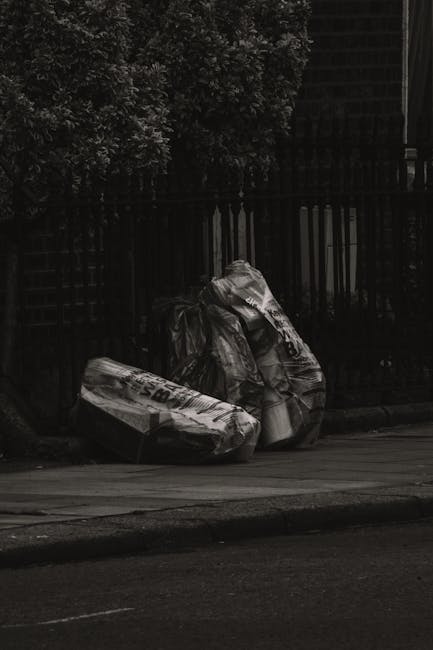
Access problems for Heston garden rubbish and solutions

Garden rubbish is rarely difficult because of the waste itself. The real headache is often the access. A narrow side gate, a long carry from the rear garden, awkward steps, parked cars, muddy paths, or a shared entrance can turn a simple clearance into a slow, messy job. If you are dealing with Access problems for Heston garden rubbish and solutions, the good news is that most issues can be handled with the right planning.
In Heston, where homes can have compact frontages, shared access routes, and older garden layouts, these problems come up more often than people expect. This guide breaks down what access issues look like, why they matter, how to solve them, and what a smooth clearance usually involves. You will also find practical checklists, common mistakes to avoid, and a comparison of the most sensible ways to get the job done.
Why Access problems for Heston garden rubbish and solutions Matters
Access is often the hidden factor that decides whether a garden clearance feels straightforward or slightly chaotic. A pile of hedge trimmings might look harmless sitting at the back of the garden, but if it has to be carried through a narrow kitchen path, down a slippery step, and past a tight side alley, the job becomes slower and riskier. That is where planning matters.
In practical terms, access problems affect time, labour, safety, and cost. They also affect how carefully waste has to be handled. If a clearance team cannot move large items or heavy bags directly to the vehicle, the work usually takes longer and needs more careful organisation. Sometimes that means extra carrying. Sometimes it means smaller loads. Occasionally, it means the whole approach needs changing.
For homeowners, landlords, and small businesses in Heston, this matters because gardens are rarely perfect rectangles with wide driveways. You might have a shared passage, a gate that barely opens fully, a conservatory to work around, or a neighbour's fence line to respect. Sounds familiar? You're not alone.
It also matters from a neighbourly point of view. Garden rubbish can smell, spread mess, and block paths if it is left waiting too long. The longer it sits there, the more likely it is to become a nuisance. A well-planned clearance keeps the job tidy and avoids the classic end-of-day scramble where everyone is stepping around a heap of branches and broken pots.
Expert summary: The best access solution is not always the biggest vehicle or the fastest crew. More often, it is the one that matches the route from garden to collection point without forcing people, equipment, or waste through a space that simply is not suitable.
How Access problems for Heston garden rubbish and solutions Works
The process starts before anything is lifted. A proper access check looks at the full route: gate width, path condition, slope, steps, doorway clearance, where waste is stored, where the vehicle can stop, and whether there is enough room to turn or load safely. That might sound obvious, but in real life it is the step people skip most often.
From there, the solution depends on the obstacle. A narrow gate may mean smaller handling movements and lighter bags. A long carry may mean staged loading and more labour. A soft lawn may need boards or an alternate route to stop damage. A shared access lane might need better timing, clearer communication, or a different collection point. There is no single fix, which is part of the challenge and, to be fair, part of the fun for anyone who likes solving practical problems.
For a normal garden rubbish clearance, the work usually follows this logic:
- Check the access route and identify pinch points.
- Separate waste into manageable types and sizes.
- Decide whether items can be carried safely by hand or need smaller loads.
- Position the vehicle as close as practical without blocking traffic or causing damage.
- Load waste efficiently, keeping the route clear.
- Leave the area swept through and free of stray debris.
Sometimes a clearance is connected to a wider job, such as a full tidy-up after building work or a bigger property clean-out. In those cases, the access plan may need to link with garden clearance, home clearance, or even garage clearance if waste is coming from more than one part of the property. That is usually more efficient than treating everything as a separate problem.
One thing worth saying plainly: access issues are not always obvious from a quick glance. A route that looks fine from the back door can become a nuisance once bags are full, wet, and awkward to carry. Wet soil, thorny cuttings, broken fencing, and old slabs can change the job completely.
Key Benefits and Practical Advantages
When access is planned properly, the whole clearance tends to feel calmer. Less hesitation. Fewer trips. Less chance of someone scraping a wall or dropping debris in the wrong place. It is the difference between a job that flows and a job that keeps getting interrupted.
- Less risk of damage: Planning the route helps protect fences, turf, paving, paintwork, and shared entrances.
- Safer handling: Shorter lifts, lighter loads, and cleaner pathways reduce slips and strains.
- Better time control: A realistic access plan helps avoid delays that creep up quietly.
- Cleaner finish: Garden rubbish is easier to remove neatly when access is mapped out in advance.
- More accurate quoting: Access affects labour, so good planning gives a more realistic price picture.
There is also a less obvious benefit: good access planning reduces stress. That matters more than people admit. If you are already juggling garden work, noisy neighbours, or a weekend deadline, the last thing you want is a clearance team discovering halfway through that the wheelbarrow will not fit through the side passage. At that point, everyone is doing mental gymnastics. Not ideal.
Another practical advantage is waste sorting. When access is awkward, it is tempting to leave everything in a single pile. But if you can separate green waste, timber, broken planters, and general garden clutter beforehand, loading becomes quicker and less fiddly. This can also support better recycling outcomes, which is one reason people sometimes review the company's approach to recycling and sustainability before booking.
Who This Is For and When It Makes Sense
This topic is relevant to more people than you might think. Access problems come up for homeowners with compact gardens, tenants clearing up before moving out, landlords preparing between lets, and businesses with small outdoor storage areas or boundary gardens. Even a simple winter tidy can become awkward if there is nowhere easy to stack branches or bagged leaves.
You are likely to need a proper access plan if any of these sound familiar:
- The garden is behind the house and can only be reached through the property.
- The side gate is narrow or sticks when opened.
- The path is long, muddy, uneven, or partially blocked.
- There are steps, steep slopes, or tight corners.
- Waste is heavy, wet, or bulky, such as soil, fence panels, or old sleepers.
- You are sharing access with neighbours or a communal route.
It also makes sense to think about access if you are combining services. For example, if the garden rubbish is part of a wider property refresh, it may be simpler to plan around house clearance or furniture disposal rather than treating the outdoor waste separately. Likewise, where a project includes broken sheds, old tools, or leftover renovation debris, a broader waste removal approach may be the cleaner option.
Truth be told, people often wait until the pile gets too large. That is usually when access feels worst. The sooner you assess the route, the easier the job becomes.
Step-by-Step Guidance
If you want the process to run smoothly, follow this sequence. It is simple, but simple is good when you are dealing with awkward gates and heavy sacks.
- Walk the route from garden to vehicle. Do it slowly. Notice the corners, the steps, the muddy patches, and anything you would instinctively dodge.
- Measure the tightest points. Gate width, path width, stair depth, and any low overhangs matter more than people expect.
- Identify the waste type. Green waste, branches, soil, broken furniture, and mixed rubbish all behave differently. Wet soil, especially, is heavier than it looks.
- Decide on the loading method. Can waste be bagged, lifted in tubs, carried in smaller sections, or moved on a trolley? There is no prize for overloading bags until one splits open.
- Clear obstacles first. Move plant pots, hosepipes, toys, loose slabs, and anything else that might cause a stumble.
- Protect vulnerable surfaces. If needed, use boards, mats, or a cleared pathway to reduce the risk of lawn damage or scraping.
- Stage the waste. Put items in a sensible order so the quickest-loading waste goes first and the awkward stuff is not buried underneath.
- Keep a final sweep point. Have one last check for nails, twigs, broken glass, or loose soil before finishing.
If you are arranging a clearance through a service provider, it helps to share a few practical details upfront. A photo of the gate. A note about parking. A quick mention of steps or access through a flat. That small bit of honesty saves time later. It really does.
And if access is borderline, say so. Better to explain that the alley is tight than pretend it is easy. Most experienced teams would rather know in advance than discover it while carrying half a hedge through a space that feels like it shrank overnight.
Expert Tips for Better Results
One of the most useful habits is to think in terms of movement, not just storage. People often ask, "Where will the waste sit?" That is fair enough. But the bigger question is, "How will the waste move?" Once you know the movement path, the job gets clearer fast.
Here are a few practical tips that make a real difference:
- Break bulky waste down early. Cut long branches into manageable lengths before the clearance day.
- Keep wet and dry material separate where possible. Wet waste is heavier, so mixing it with light clippings can make bags harder to handle.
- Use the nearest safe point for loading. The closest spot is not always the best; choose the safest workable one.
- Avoid overfilling bags. Split loads now rather than wrestling with a bag that tears later.
- Check parking in advance. A perfect garden route means very little if the vehicle cannot stop anywhere sensible.
Sometimes the best solution is timing. Early morning can mean quieter roads and easier parking. Midday might be better if neighbours have cleared shared access. Late afternoon is fine too, though you may be working against school runs, deliveries, or general end-of-day congestion. Little things, but they matter.
If you are dealing with awkward access and want a clearer picture of how the job will be handled, it can help to review the company's wider standards on health and safety and insurance and safety. That gives you a better sense of how careful, practical work is approached.
Common Mistakes to Avoid
The biggest mistake is assuming access will be "fine on the day". That phrase causes more trouble than it solves. If the route is tight, treat it as tight. If the slope is muddy, assume it will be worse once people start walking up and down it. Simple realism helps.
- Leaving the route unchecked: It is easy to overlook a back path until somebody trips over it.
- Ignoring parking restrictions: Even a short delay can throw off a clearance schedule.
- Stacking waste too far from the exit: Every extra metre adds effort, especially with heavy loads.
- Mixing garden rubbish with other debris: This makes sorting slower and can complicate disposal.
- Forgetting about shared access: Neighbours, tenants, and other users may need warning or coordination.
- Underestimating wet waste: A bag of damp soil or soaked cuttings can become surprisingly heavy.
Another easy one to miss: poor lighting. If the job starts when the light is dull or the route passes through a shaded side passage, you need even more care. It is the sort of detail that seems minor until someone clips a step or misses a loose brick. Then it is not minor at all.
Tools, Resources and Recommendations
You do not need specialist machinery for every garden clearance, but the right tools make awkward access far more manageable. A few practical items can transform the feel of the job.
| Tool or resource | Why it helps | Best used for |
|---|---|---|
| Heavy-duty sacks | Help split waste into safer loads | Leaves, small cuttings, mixed light rubbish |
| Wheelbarrow or garden trolley | Reduces carrying distance and strain | Long paths, medium loads, repeated trips |
| Ground boards or mats | Protect soft or delicate surfaces | Lawn edges, muddy borders, narrow access routes |
| Pruning tools | Make bulky branches easier to manage | Overgrown shrubs, hedge cuttings, broken stems |
| Photo notes on your phone | Helps explain the access situation clearly | Quotes, planning, and communication before the job |
For planning and budgeting, it can also be useful to review pricing and quotes so you understand how access, volume, and labour may affect the final figure. That does not mean every awkward gate automatically costs more. It simply means the quote should reflect the real work involved.
If the project is part of a larger property clearance, the related services on about us can help you understand the team behind the work, while contact us is the practical next step if you want to explain access details directly. Keep it simple. A few clear notes are better than a long vague message with three separate "maybe"s in it.
Law, Compliance, Standards, or Best Practice
Garden rubbish clearance in the UK should always be handled responsibly. That includes safe lifting, sensible loading, and proper disposal routes. If waste is being taken away professionally, it should be managed in line with accepted waste-handling practices and environmental expectations. You do not need to know every technical rule, but you do need to know that waste should not simply disappear into a vague pile somewhere.
For access-related work, best practice usually means:
- Keeping walkways reasonably clear and free from obvious trip hazards.
- Avoiding unnecessary damage to shared property, fences, or surfaces.
- Using safe manual handling methods, especially for heavy or awkward loads.
- Being honest about difficult access before the work starts.
- Separating waste where possible so recycling is easier and cleaner.
If you are the property owner, you also have a practical responsibility to think about neighbours, shared entrances, and public footpaths. That does not mean you need to overcomplicate everything. It just means a little forethought goes a long way. The old "we'll wing it" approach is rarely the best one here.
Where collection areas or loading points are awkward, teams should also work with care around public safety and site-specific conditions. If you want more background on the company's approach to responsible working, the pages on health and safety policy and modern slavery statement support a clearer picture of standards and responsibilities.
Options, Methods, or Comparison Table
There is more than one way to deal with access problems. The best method depends on the route, the volume, and how much time you have. Here is a simple comparison.
| Method | Best for | Pros | Watch-outs |
|---|---|---|---|
| Direct carry to vehicle | Reasonably clear access and manageable distances | Fast, tidy, efficient | Not suitable for very narrow, muddy, or steep routes |
| Staged loading from a central point | Long gardens or awkward internal routes | Reduces repeated trips through difficult areas | Needs good organisation and enough staging space |
| Smaller load splitting | Heavy or bulky waste, such as soil or branch piles | Safer handling, less strain | Can take longer if the pile is huge |
| Combined clearance planning | Mixed jobs involving garden, garage, or household waste | One plan, fewer disruptions, better efficiency | Requires accurate details up front |
In many cases, combined planning works best. If access is already awkward, splitting the job into separate visit types can create more movement than necessary. A better option is often to plan the full route once and work from there. That simple decision can save a surprising amount of hassle.
Case Study or Real-World Example
A typical Heston scenario goes something like this. A homeowner has cut back an overgrown rear garden after months of build-up: hedge trimmings, old plant pots, a stack of rotten timber, and a few broken bags of soil. The back gate opens, but only just. The side passage is narrow, the slabs are a little uneven, and there is no easy rear parking. Not impossible. Just awkward.
The solution is straightforward once the route is looked at properly. Waste is sorted into lighter bags, the timber is cut down further, and the collection point is set near the most direct exit. A few trips are needed, but the work stays safe and orderly. The lawn edges are protected as much as possible, and the final sweep catches the loose twigs and dust that always seem to hide in the corners.
What made the difference? Planning. Not glamorous, I know. But it works. The job finished without force, without damage, and without that slightly panicked feeling you get when everyone realises the wheelbarrow is too wide for the passage by about two inches. That's the sort of thing people remember.
Practical Checklist
Before a garden rubbish clearance with access issues, run through this list. It takes a few minutes and can save a lot of trouble.
- Have I checked the narrowest point on the route?
- Is the gate opening wide enough for safe passage?
- Are there steps, slopes, or slippery sections to watch?
- Can waste be moved in lighter, more manageable loads?
- Is there a clear place to stage the rubbish?
- Do I need to protect turf, slabs, walls, or shared surfaces?
- Has parking been thought through properly?
- Are neighbours or other users of the access route aware?
- Have I separated green waste from mixed rubbish where possible?
- Is there enough light and space to finish the job safely?
Helpful reminder: if one part of the route feels doubtful, trust that instinct and solve it before collection day. Small fixes are always cheaper than big scrambles.
Get a free quote today and see how much you can save.
Conclusion
Access problems for Heston garden rubbish and solutions come down to one thing: making the route as workable as the waste itself. A garden clearance does not need perfect conditions, but it does need a sensible plan. Once you understand the route, the weight of the waste, and the space available, the whole process becomes much easier to manage.
In Heston, that usually means thinking ahead about gates, paths, parking, shared entrances, and the size of the waste pile. Do that well, and the clearance feels calm, quick, and far less stressful than it first looks. And honestly, that relief when the last bag is gone and the path is clear? Hard to beat.
If you are weighing up a bigger clear-out, comparing methods, or simply trying to figure out whether your access is workable, a short conversation and a realistic plan can make all the difference. A tidy garden starts with a tidy route. Simple as that.
Frequently Asked Questions
What are the most common access problems for garden rubbish clearance in Heston?
The most common issues are narrow side gates, long carry distances, uneven paths, steps, muddy ground, and limited parking. Shared entrances can also make the job slower if everyone is not aware of the plan.
Can garden rubbish be removed if the only access is through the house?
Yes, often it can, provided the route is safe and protected. The key is to move waste carefully, keep the pathway clear, and avoid damage to floors, corners, or door frames.
Does difficult access make garden rubbish removal more expensive?
It can, because awkward access usually increases labour and handling time. That said, the final cost depends on the actual route, waste volume, and how much extra effort is needed.
How do I prepare a narrow path for garden clearance?
Clear loose objects, trim back overhanging branches, check for trip hazards, and make sure the path is as open as possible. If the route is soft or fragile, protecting it with boards may help.
What if the garden gate is too small for bulky waste?
Bulky items can sometimes be reduced into smaller sections before removal. Branches, timber, and dismantlable waste are usually easier to manage when broken down first.
Should I mention access problems when asking for a quote?
Absolutely. Mentioning the tight gate, steps, long path, or parking limits gives a much more accurate quote and helps prevent delays later.
Can wet garden waste cause access problems?
Yes. Wet soil, saturated leaves, and rain-soaked cuttings are heavier than they look, which can make carrying and loading more awkward. They may also make surfaces slippery.
Is it better to clear the garden rubbish myself or book a professional service?
If the access is simple and the waste is light, you may be able to manage it yourself. If the route is awkward, the waste is heavy, or you want it handled quickly, a professional service is usually the easier option.
What details should I send before a garden rubbish collection?
Send photos of the gate or access route, mention any steps or slopes, explain where the waste is located, and note any parking restrictions. A few clear details are enough.
Can access problems affect recycling of garden waste?
Indirectly, yes. If waste is mixed, damaged, or poorly staged because of access issues, sorting can become harder. Better planning usually makes recycling and separate handling easier.
What is the safest way to move waste through a tight access route?
Use smaller loads, keep the path clear, and avoid rushing. If the route is very narrow, a staged approach with careful lifting is usually safer than trying to carry too much at once.
What should I do if access changes on the day?
Speak up straight away. A parked car, locked gate, or blocked passage can usually be worked around if everyone knows early. Leaving it until the last minute only makes the job harder.